
10/10 vs. 10/11 Finger Joint Knives: What Is the Difference?
10/10 vs. 10/11 Finger Joint Knives: What Is the Difference?
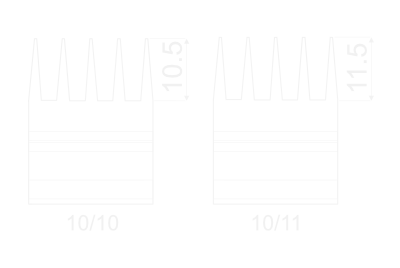
The main difference between 10/10 and 10/11 finger joint knives is the finger-joint depth and the machine setup they are used with. The 10/11 knife produces an 11.5 mm-deep finger-joint profile and is suitable for machines equipped with a trimming saw, also known as a hogging saw. The 10/10 knife produces a 10.5 mm-deep finger-joint profile and is used on machines without a hogging saw. The correct choice depends on whether the production line includes end trimming before finger-joint profiling.
Quick Comparison
| Item | 10/10 Knife | 10/11 Knife |
|---|---|---|
| Finger-Joint Depth | Approx. 10.5 mm | Approx. 11.5 mm |
| Machine Type | Machines without hogging saw | Machines with trimming saw / hogging saw |
| End Trimming | Timber ends must be squared before profiling | Trimming allowance is provided for automatic production |
| Selection Note | Check machine structure before ordering | Suitable for automatic lines with end trimming |
What is a Trimming Saw (Hogging Saw Blade)?
A hogging saw used for end trimming squares uneven ends of short timber pieces before finger-joint profiling. This helps prepare a consistent end surface for the following finger-joint cutting process.
➤ View the full specifications of Hogging Saw Blade
In the 10/11 configuration, the cutter produces an 11.5 mm-deep finger-joint profile and is suitable for machines equipped with a hogging saw. This configuration provides the trimming allowance required in automated production lines.

In the 10/10 configuration, the cutter produces a 10.5 mm-deep finger-joint profile and is suitable for machines without a hogging saw. Because the setup does not include end trimming, both ends of each timber piece must be squared before finger-joint profiling.
How to Choose the Correct Knife
Before selecting a 10/10 or 10/11 finger joint knife, confirm:
- Whether the machine is equipped with a trimming saw (hogging saw)
- Whether the production line includes end trimming before finger-joint profiling
- The required finger-joint depth and finger-joint profile
- The specifications of the existing cutter setup
When replacing an existing knife, matching the original machine and cutter specifications is more reliable than selecting solely by finger-joint depth.
Golden Eagle Insight
As automatic finger-jointing machines equipped with trimming saws (hogging saws) are now widely used, the 10/11 finger joint knife has become a common configuration. Before purchasing, customers should confirm the machine setup, end-trimming process, required joint profile, and existing cutter specifications to ensure compatibility. Custom specifications are also available to meet specific machine and production requirements.