
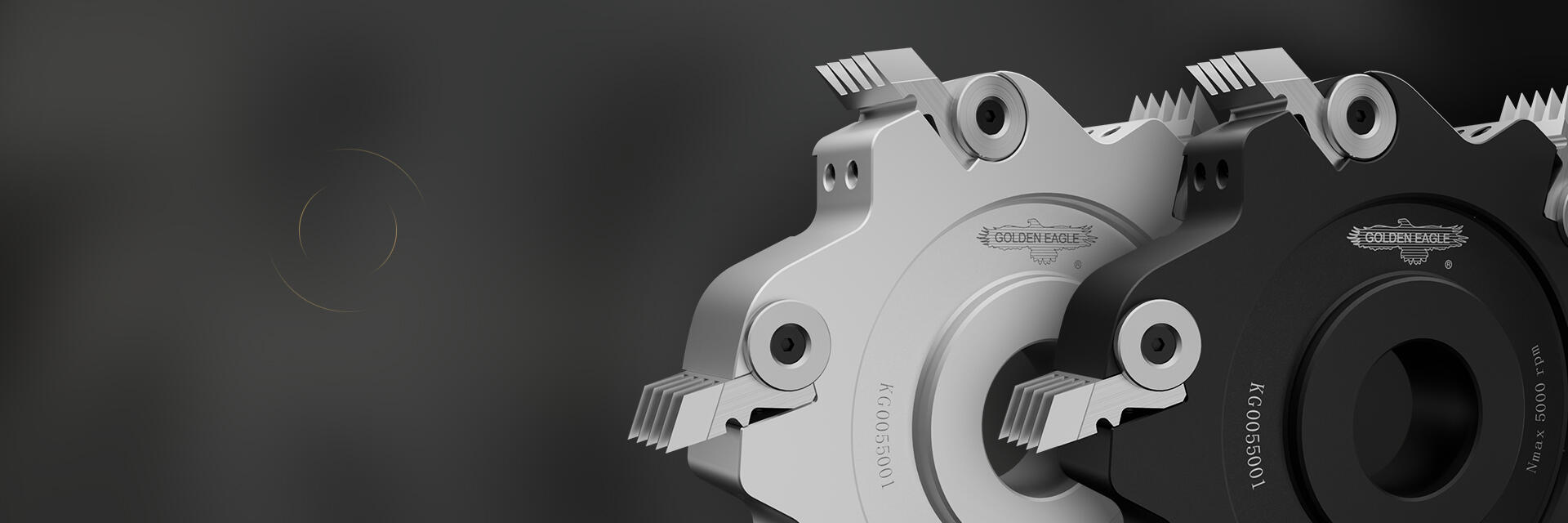
How to Read A Saw Blade Part I

How to Read a Saw Blade
A Practical Guide to Circular Saw Blade Design
Before selecting or using a saw blade, it is essential to understand its basic structure and terminology. Every design element directly influences cutting performance, operational stability, and tool life.
This guide provides a clear, practical overview of the key components of a circular saw blade to help you understand how each part functions and why it matters.
Standard Terms
Plate
The plate is the main body of the saw blade, typically manufactured from alloy steel. It defines the blade diameter, plate thickness, and overall structural stability, all of which affect cutting accuracy and vibration control.
How we make it better:
GOLDEN EAGLE uses premium German-quality alloy steel and precision laser cutting to achieve excellent flatness, durability, and long-term stability during operation.
Kerf
Kerf refers to the width of the cut made by the saw blade and is largely determined by the thickness of the carbide teeth. Kerf width affects cutting resistance, material loss, and power consumption.
How we make it better:
Our fully automated grinding systems maintain extremely tight tolerances, ensuring consistent kerf width for smooth, efficient cutting.
Tooth (Tip)
Saw blade tips are typically manufactured from three main materials:
- Tungsten Carbide (HW)
- Cermet
- Polycrystalline Diamond (PCD)
How we make it better:
We use CERATIZIT-equivalent tungsten carbide and premium-grade cermet materials to maximize wear resistance, heat stability, and cutting longevity.
Gullet
The gullet is the space between adjacent teeth that allows chips and waste material to exit the cut efficiently.
How we make it better:
GOLDEN EAGLE optimizes gullet geometry to reduce high-frequency noise and, in heavy-duty applications, incorporates deeper gullet profiles to enhance chip evacuation.
Bore
The bore is the center hole used to mount the blade onto the machine arbor.
How we make it better:
Precision laser cutting ensures bore tolerances within ±0.03 mm, allowing accurate mounting and concentric rotation.