
Mortise Tip vs. Standard Compression Router Bits
Mortise Tip vs. Standard Compression Router Bits: What Is the Difference?
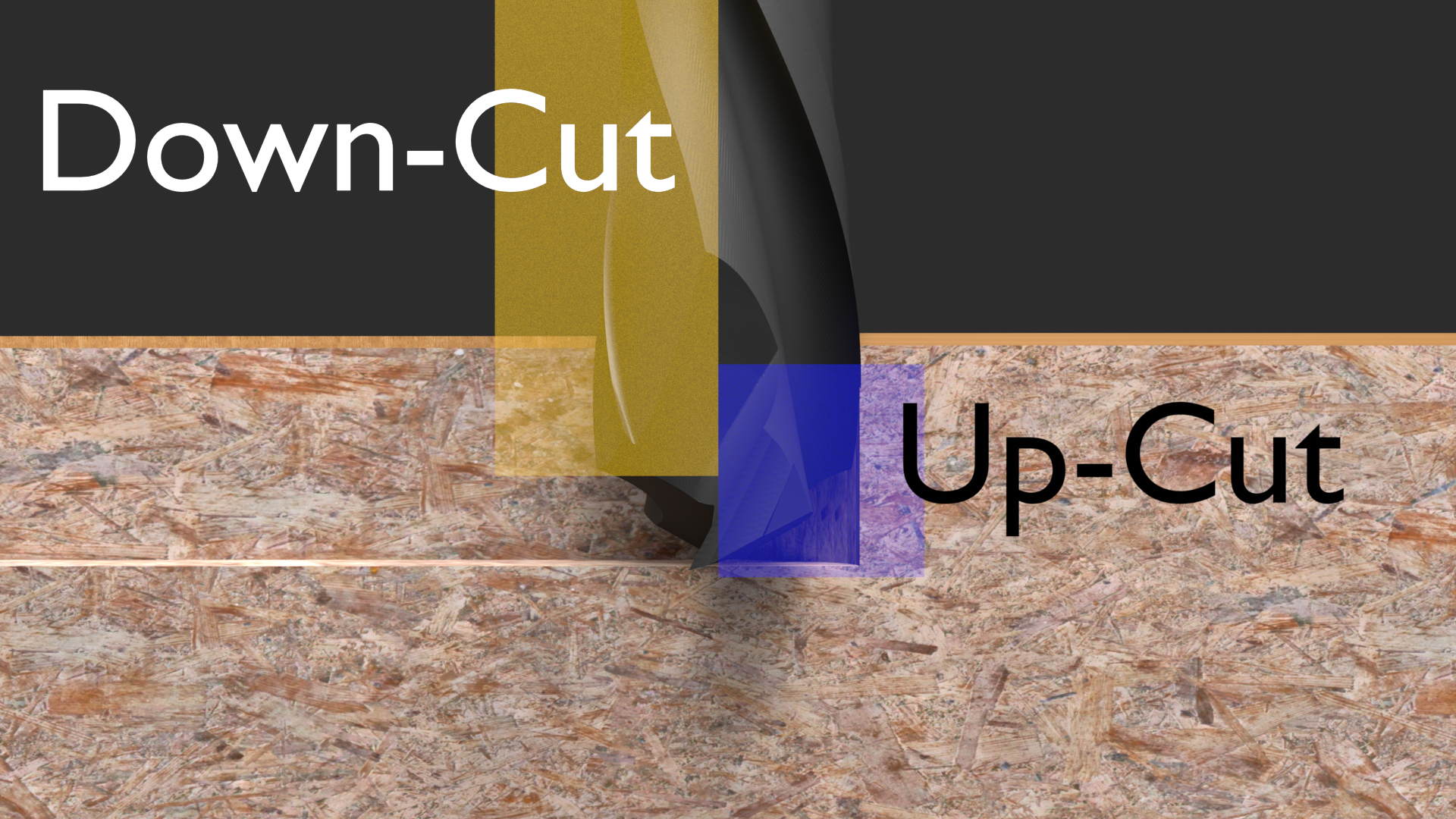
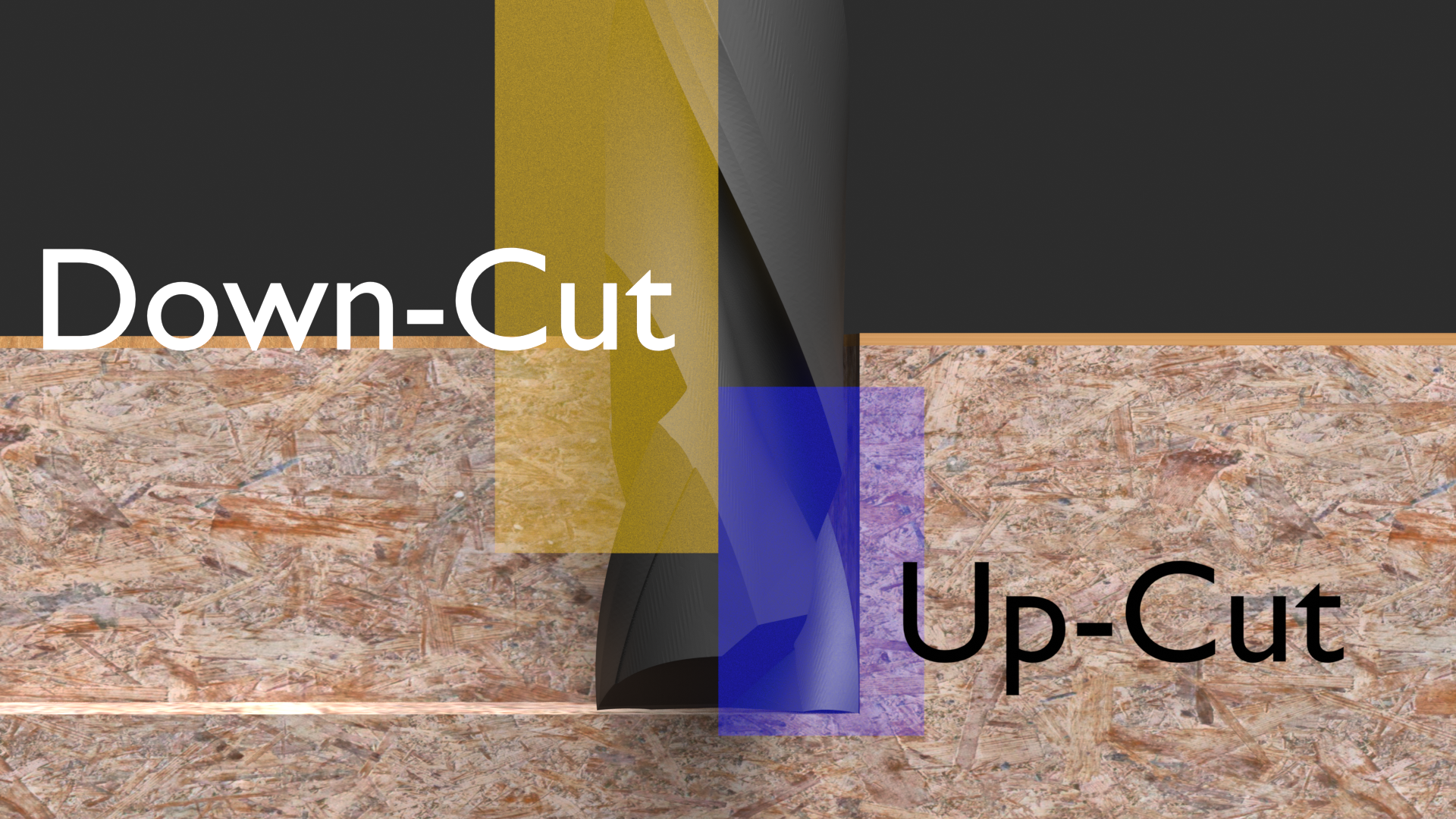
The main difference between Mortise Tip compression router bits and standard compression router bits is whether the cutting depth can reach the compression zone. A Mortise Tip has a shorter front up-cut section, allowing the tool to enter the compression cutting zone at a shallower depth. This makes it suitable for shallow groove or dado machining. A standard compression router bit has a longer front up-cut section and is generally better suited for deeper grooves dado and through-cutting applications.
What Is the Compression Zone?
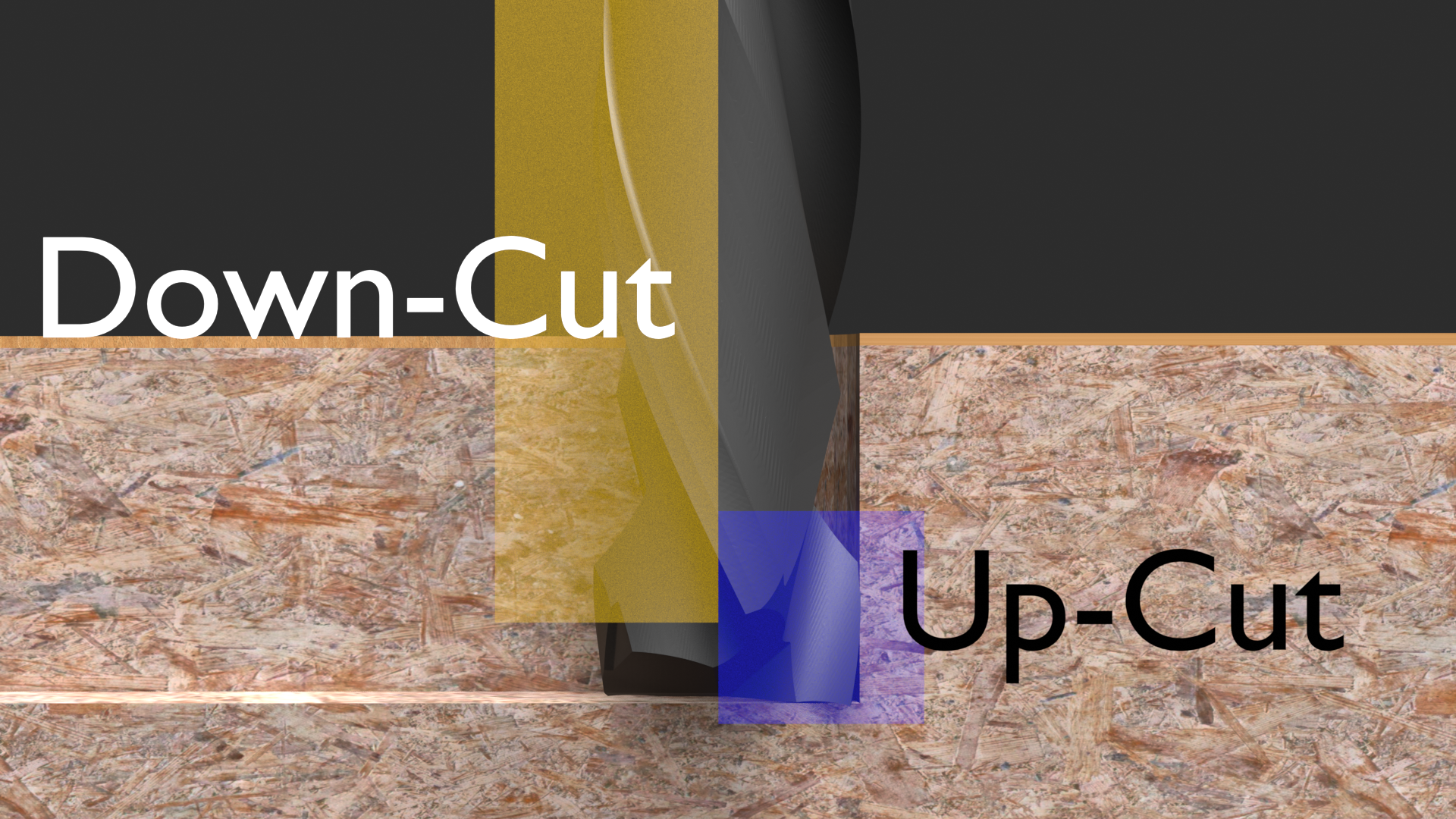
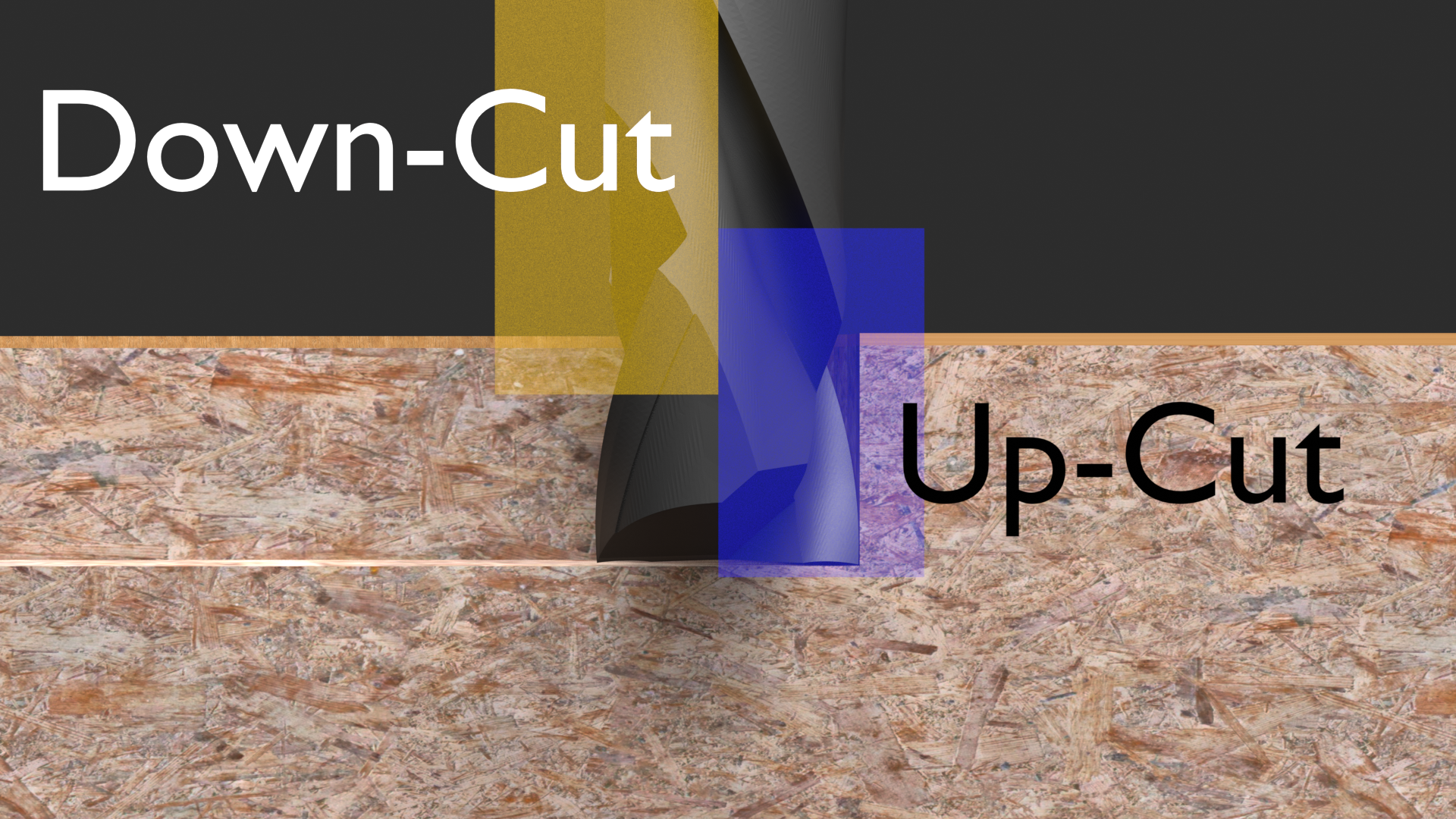
The compression zone is the overlapping cutting area where the up-cut and down-cut sections work together. A compression router bit combines up-cut and down-cut cutting geometry, directing the fibers on the top and bottom surfaces toward the center of the material. This helps reduce chipping on both surfaces when machining plywood, melamine panels, and laminated panels.
To achieve the intended cutting effect, the cutting depth must reach the compression zone. If the depth is insufficient, the tool may only engage the front up-cut section, which can still increase the risk of burrs or chipping on the top surface.
Mortise Tip Is Suitable for Shallower Cutting Depths
The Mortise Tip features a shorter front up-cut section, allowing the tool to reach the compression zone at a shallower cutting depth. It is therefore more suitable for thin panels, shallow grooves, dado, and other shallow-depth applications where clean top and bottom surfaces are required.
For thin plywood, melamine panels, and double-sided laminated panels, if the front up-cut section is longer than the actual cutting depth, the material may not fully enter the compression zone. Choosing a Mortise Tip with a shorter front section provides a cutting configuration that better matches these machining conditions.
Standard Compression Router Bits Are Suitable for Deeper Cutting Depths
Standard compression router bits usually have a longer front up-cut section. They are more suitable for thick panels, deep grooves, and profile cutting with greater machining depth, because they require a deeper cutting range to pass through the up-cut section and reach the compression zone.
A standard compression router bit is not a lower-performance option. It is simply intended for a different cutting depth. When used on thin panels or shallow grooves, the length of the front cutting section should be checked against the material thickness and machining depth.
How to Choose the Right Tool Configuration
| Comparison Item | Mortise Tip Compression Router Bit | Standard Compression Router Bit |
|---|---|---|
| Front Up-Cut Section | Shorter | Longer |
| Compression Zone | Can be reached at a shallower cutting depth | Requires a deeper cutting depth to reach |
| Suitable Materials | Thin plywood, melamine panels, laminated panels | Thick panels, thick plywood, and thicker laminated panels |
| Suitable Machining | Shallow grooves / dado | Deep grooves, dado and through-cutting |
| Selection Focus | Confirm that the shallow cutting depth reaches the compression zone | Confirm that the cutting depth is sufficient |
What Other Machining Conditions Should Be Considered?
In addition to the front cutting section length and material thickness, actual cutting results are also affected by machine rigidity, clamping stability, RPM, feed speed, depth of cut per pass, and chip evacuation conditions. Before selecting a tool, the tool geometry should be evaluated together with the actual machining parameters.
Golden Eagle Insight
Mortise Tip is not a completely separate type of compression router bit, but a tool design adjusted for specific cutting depths. In this tool configuration, the shorter front up-cut section allows the tool to reach the compression zone more quickly, making it suitable for shallow groove and dado machining. Standard compression router bits are better suited for deeper machining and through-cutting applications. The correct choice should be based on actual cutting depth and machine conditions, so the compression cutting effect can properly support clean top and bottom surfaces.